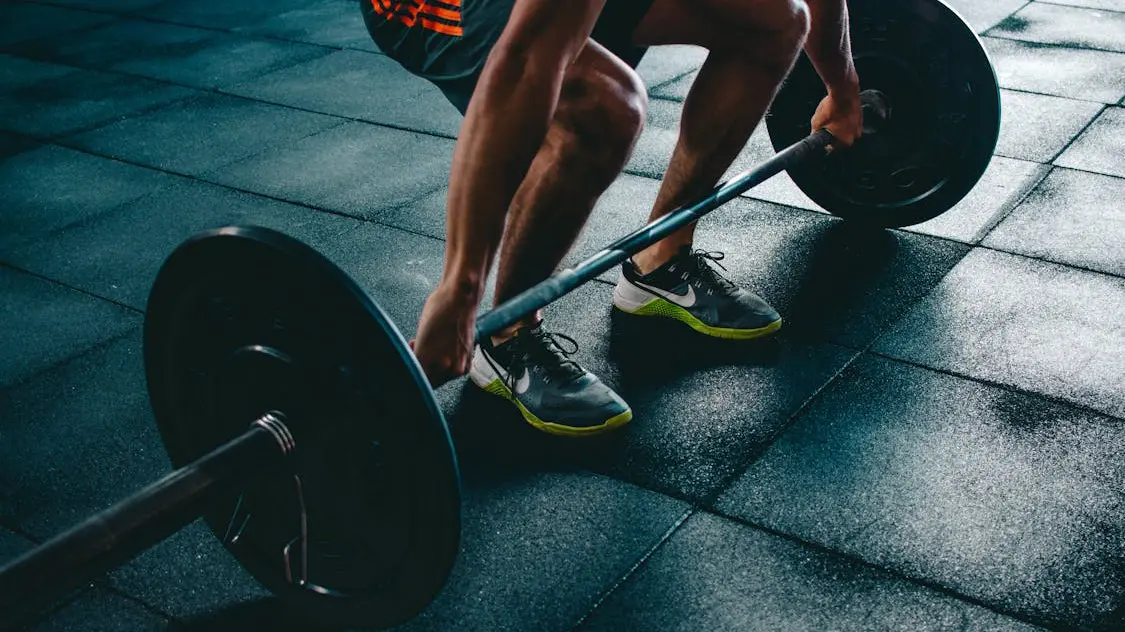
Safety should be the cornerstone of any training program, and it holds even greater importance when lifting weights, regardless of whether you’re a seasoned gym rat or a complete beginner. Here’s why prioritizing safety is crucial:

Reduced Injury Risk: Lifting weights with improper form or using weights that are too heavy puts immense stress on your muscles, tendons, and joints. This can lead to a multitude of injuries, ranging from minor muscle strains and tears to more serious ligament damage, joint pain, and even fractures. Improper weight selection can also cause imbalances and weaknesses in different muscle groups, increasing the risk of future injuries.

Wasted Effort and Frustration: When you focus solely on lifting heavier weights without proper technique, you’re not effectively targeting the intended muscles. This can lead to wasted effort, making it difficult to see progress and achieve your fitness goals. Additionally, the frustration of not seeing results can lead to discouragement and quitting your workout routine altogether.

Bad Habits and Compensation: Lifting weights with bad form can lead to the development of compensatory movement patterns. This means your body will start to recruit other muscles to help lift the weight, which can lead to imbalances and further increase your risk of injury. Breaking these bad habits later can be challenging and require additional effort.

Long-Term Complications: Repetitive strain injuries caused by improper form can have lasting consequences. Chronic pain, reduced mobility, and even arthritis can develop if injuries from lifting weights are not addressed properly.

Now, let’s explore how a gym environment can significantly improve your training safety, especially when using lower weights:

Expert Guidance:  Gyms often have certified trainers who can assess your form, recommend appropriate exercises and weights for your current fitness level, and guide you on proper lifting techniques. This personalized instruction goes a long way in preventing injuries and ensuring you get the most out of your workouts.

Structured Programs: Many gyms offer weight training programs designed specifically for beginners. These programs typically focus on lighter weights and emphasize proper form, building a strong foundation for future progress in a safe and controlled manner.

Spotters and Equipment:  For exercises like squats or bench presses, having a spotter, whether it’s a gym buddy or a trainer, can ensure safety in case you struggle with the weight. Additionally, gyms provide a variety of equipment like weight benches, stability balls, and resistance bands that can help you maintain proper form while targeting specific muscle groups with lower weights.

Think of your body like a high-performance machine. To perform at its peak, it needs the right fuel. When it comes to training, that fuel comes from your diet. While exercise is undeniably important, a healthy diet is equally essential for achieving your fitness goals and unlocking your full potential. Here’s how:

Energy for Exercise: Just like a car won’t run without gas, your body needs carbohydrates for energy during workouts. Carbs provide readily available fuel for your muscles, allowing you to push harder for longer durations. Complex carbohydrates found in whole grains release energy steadily, preventing sugar crashes and keeping you going strong throughout your training.

Building and Repairing Muscles: Protein is the building block of muscle tissue. After a challenging workout, microscopic tears develop in your muscles. Consuming adequate protein helps repair these tears and build stronger muscles, leading to improved performance, increased strength, and faster recovery. Aim for protein sources like lean meats, fish, eggs, legumes, and dairy products to support muscle growth and repair.

Recovery and Immunity: A balanced diet rich in fruits, vegetables, and whole grains provides essential vitamins, minerals, and antioxidants. These micronutrients act like an internal pit crew, supporting your immune system by helping your body fight off illness and recover efficiently from training. For example, vitamin C plays a crucial role in immune function, while antioxidants help reduce inflammation and muscle soreness.

Maintaining Weight: Diet plays a key role in managing your weight, which can significantly impact your training progress. If you’re aiming to lose weight, a calorie deficit (burning more calories than you consume) is necessary. However, crash diets and restrictive eating plans can leave you feeling sluggish and hinder your performance. A healthy diet helps you achieve a calorie deficit in a sustainable way, while still providing the nutrients your body needs to train effectively. Focus on whole, unprocessed foods that are naturally filling and keep you feeling satisfied throughout the day.

Optimizing Performance: The right diet can significantly impact your training performance in more ways than just energy levels. It can improve your stamina, allowing you to train for longer durations. It can also enhance your focus and reaction time, giving you that extra edge during challenging workouts. Conversely, an unhealthy diet laden with processed foods, sugary drinks, and unhealthy fats can lead to fatigue, sluggishness, and decreased motivation. You might find yourself lacking the energy to push yourself during workouts, hindering your progress.

Here are some tips to optimize your diet for training:

Eat a balanced diet: Focus on whole foods like fruits, vegetables, whole grains, lean protein sources, and healthy fats.

Time your meals: Aim to eat a balanced breakfast before your workout to provide energy. After exercise, consume a meal or snack containing protein and carbohydrates within two hours to aid muscle recovery.

Stay hydrated: Drink plenty of water throughout the day to stay hydrated and support muscle function. Dehydration can lead to fatigue and hinder your performance.

Listen to your body: Pay attention to your hunger cues and adjust your food intake accordingly. Don’t restrict yourself excessively, but avoid overeating. Aim to find a balance that keeps you fueled for your workouts without feeling weighed down.

By prioritizing a healthy diet alongside your training routine, you’ll be providing your body with the necessary tools to achieve optimal fitness results, recover faster, feel your best, and reach your full potential. Remember, diet and exercise are a powerful team – work them together to smash your fitness goals!

References
https://www.who.int/initiatives/behealthy/healthy-diet#:~:text=A%20healthy%20diet%20is%20essential,are%20essential%20for%20healthy%20diet.

physical development

1. Find Your “Why” and What Gets You Moving

First things first, unearth your fitness motivator. Maybe those jeans are feeling a bit snug (we’ve all been there!), or you want the energy to keep up with the grandkids. Write that goal down – it’ll be your secret weapon when motivation dips. Now, what kind of movement actually sparks joy? Don’t force yourself onto the treadmill if running is pure torture. Think about activities you genuinely enjoy. The gym offers a treasure trove of possibilities – you could pump iron and build muscle strength, take a high-energy group fitness class like Zumba or spinning to get your heart pumping, or even challenge yourself on the rock climbing wall.  The key is to find activities that light you up, because consistency is key to making fitness a sustainable habit.

2. Embrace the Gym as Your Playground

The gym can be an intimidating place at first, but with the right approach, it can transform into your personalized playground for holistic fitness. Let’s explore how it can support your goals:

Cardio Variety:  The gym offers a buffet of cardio options to get your heart rate up and those endorphins flowing. Hit the treadmill for a brisk walk or jog, join a spin class and lose yourself in the rhythm, or take the stairs a few extra times – it all counts! You can even mix it up with the elliptical trainer, rowing machine, or jump rope to keep things interesting.

Strength Training Central: This is where the gym truly shines. Free weights, weight machines, cable stations – the options can feel endless at first.  Don’t worry, most gyms offer introductory classes or have friendly trainers who can help you design a personalized routine that targets different muscle groups. This will not only build muscle and sculpt your physique, but also strengthen your bones and boost your metabolism.

Flexibility for the Win:  Don’t neglect flexibility! Yoga or Pilates classes at the gym can keep your body feeling loose and limber, improving your range of motion and reducing your risk of injury. Many gyms also offer dedicated stretching areas with mats and equipment, so you can unwind and improve your flexibility after a weightlifting session or simply stretch on your own.

3. Fuel Your Body Like a Champion

We all know that feeling – sluggish after a donut breakfast.  Food is like magic fuel for your body, so give it the good stuff to support your workouts and overall well-being. Think colorful fruits and veggies packed with vitamins and antioxidants. Lean protein sources like grilled chicken, fish, or tofu will keep you feeling full after a workout and help with muscle repair. Don’t forget whole grains like brown rice or quinoa that provide long-lasting energy. Remember to stay hydrated – water is your BFF, especially important when you’re sweating it out at the gym.

4. Prioritize Rest and Recovery

Your body isn’t a machine – it needs time to chill and rebuild after a workout. Aim for 7-8 hours of quality sleep a night to allow your muscles to repair and your body to recharge. Don’t be afraid to schedule rest days. Listen to your body – if you’re feeling wiped, take a break! Pushing yourself too hard can lead to injuries, and that’s no fun.

5. Find Your Zen – Fitness Isn’t Just Physical

Fitness isn’t just about how your body looks, it’s about how you feel overall.  Think about incorporating activities that help you manage stress and improve your mental well-being. Meditation before a workout at the gym can be a great way to center yourself and focus on your breath. Spending time in nature after a gym session is another option, or even just taking a few deep breaths before you hit the weights can make a big difference.

Bonus Tip: Track Your Progress (But Keep it Fun!)

There are fancy fitness trackers and apps out there, but honestly, a simple notebook works too. Jot down how you’re feeling after a workout, what you ate that day, or any milestones you hit (like that extra weight you added to your squat!). Tracking your progress can be a great motivator, but remember to keep it light and focus on celebrating your wins!

By taking a holistic approach, you’re building a sustainable fitness routine that nourishes your whole self – body, mind, and spirit. Think of it as an adventure, not a chore. Explore different activities at the gym and beyond, find what works for you, and most importantly, have fun along the way! Remember, consistency is key, so focus on making small, sustainable changes that you can enjoy over the long term. You’ve got this!

References
https://bmcpublichealth.biomedcentral.com/articles/10.1186/s12889-019-6719-z
https://aftfitnesscoaching.com/blogs/fitness-resources-blog/the-importance-of-holistic-fitness-beyond-physical-training

How is lack of sleep hurting your gains, and what you can do about it ?

Sleep is a fundamentally important thing to your body. Without your sleep, your body starts going haywire and is a sure-fire way to get all kinds of nasty health problems. But what are these problems you ask? Well if you really would like to know, some of these are

  1. Increased risk of hypertension
  2. Increased chances of stroke
  3. Obesity
  4. Heart failure
  5. Rise of mental health concerns like depression
  6. Diabetes risk

So safe to say, missing on your recommended 7 to 9 hours of sleep is not good for your health at all. But these issues don’t just end here, lack of sleep can affect your capacity to remember and have good memory, your coordination, effects the endocrine system that help the body build muscle mass and repair cells and tissues, in addition to other growth functions.

What could you do about it?

Now, while certain retains for lack of sleep is due to underlying medical conditions that you have your health care provider take a look at and provide a solution for, we as individuals can take up certain preventive actions that can help us avoid getting issues related to sleep.

Preventive measures that can be taken to have a good sleep.

  1. Avoid day time naps
  2. Reduce caffeine and alcohol Intake
  3. Consistent sleeping time and waking time
  4. Sticking to your sleep schedule even on holidays and weekends, especially in the upcoming months
  5. Increased fitness activities or exercising to effectively utilize the body’s energy and prep your body for sleep.

Exercising regularly is great for your body and can lead to numerous health benefits. A good night’s rest is also quite important for someone aiming to effectively build their body and gain more strength.

For more information, on how to create an effect training and sleep schedule, inquire at Solitaire Fitness.